
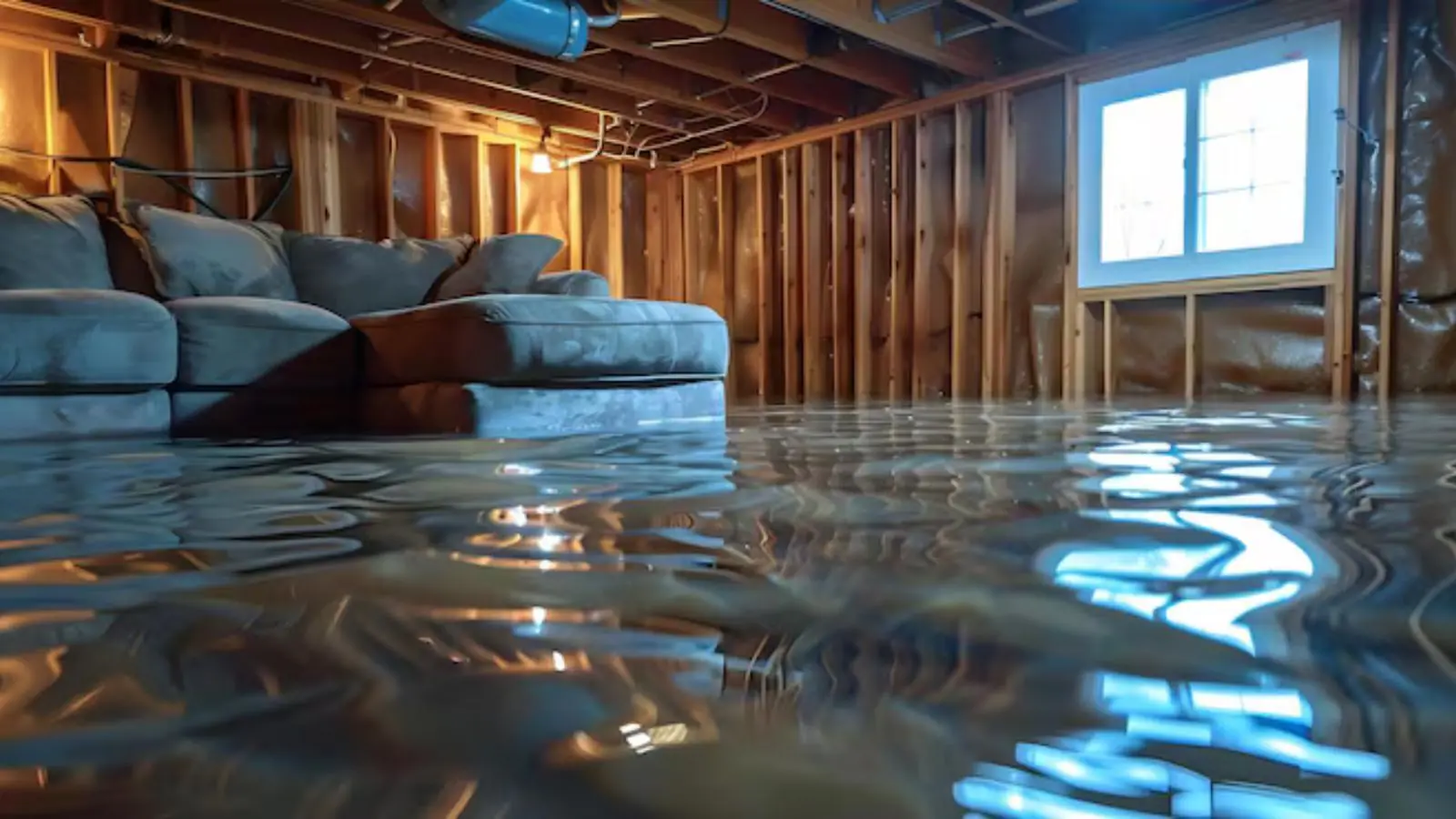
Flood damage restoration in Manhattan Beach, CA means removing floodwater, sanitizing what it touched, and drying the structure for rebuilding. Dispatch answers 24/7, since a flood does not pause overnight and every extra hour ruins more material.
Before help arrives, avoid wading through water that could be contaminated, close the main valve if a pipe is feeding the flood, and lift valuables and keep children and pets away. Breakers for wet rooms get flipped only if you can reach a dry panel safely. Smell gas or see water at outlets? Call 911 or the utility first.
When flooding is an emergency
Not every wet floor is a flood, but these situations call for the line right away. Flood water is classed by how contaminated it is, using the water categories from the ANSI/IICRC S500 standard, and the category decides what can be kept.
Category 1 comes from a clean source such as a supply line. Category 2 carries some contamination, such as washing machine discharge. Category 3 is grossly contaminated, including sewage and storm water that has crossed the ground. Porous materials touched by Category 3 water are normally removed and not dried in place.
| Water category | Common source | What usually happens to materials |
|---|---|---|
| Category 1 | Supply line, tub overflow, clean rainwater through a roof | Most materials can be dried in place if the response is quick |
| Category 2 | Dishwasher or washer discharge, sump overflow | Carpet pad is often removed, and hard surfaces are cleaned and dried |
| Category 3 | Sewage, storm water over the ground, long-standing water | Porous materials come out, and surfaces are sanitized before drying |
Where flood water in Manhattan Beach comes from
Manhattan Beach maintains a Tsunami Plan and posts a map of potential tsunami inundation areas. A separate hazard mitigation document lists flood among several local risks, along with quakes, slides and tsunamis. No flood-zone map appears on that city page, so look your address up on FEMA's flood map.
Rain is the second source. NOAA's 1991-2020 normal for LAX is 12.23 inches over the July to June season, which sounds small but tends to fall in short, heavy bursts. Roof drains, patio drains and low thresholds give out first.
Most flooding calls are not storms at all. They are a failed supply line, a washer hose, a water heater or an upstairs bathroom that overflows. Those losses behave like floods inside the home because water has nowhere to go but down through floors.
Flooding in the house?
Stay out of dark or smelly water and call the 24/7 line from a dry spot.
How we restore a flooded property
Each job adjusts to the water category and the materials, but the order below is typical.
Stop and assess
The source is identified, moisture readings are taken, and the water category is judged before any plan is written.
Extract the water
Pumps and extractors take out standing water, starting at low spots and moving toward drier rooms.
Remove what cannot stay
Category 3 contact materials, soaked carpet pad and saturated drywall are cut out and bagged.
Clean and sanitize
Hard surfaces and framing are cleaned and treated with a sanitizer suited to the contamination.
Dry and monitor
Air movers, LGR dehumidifiers and daily meter readings continue until the structure reaches normal moisture levels.
Basement Flooding Cleanup
This applies when the home has a basement or other below-grade space, such as a sunken garage or lower suite. These areas take on water from underneath, and it has no way to drain off by itself.
The usual causes are a failed sump pump, a drain that backs up, a burst line, or water that moves in through walls and floor joints after heavy rain. The crew uses submersible pumps to lower the water in stages, then removes wet drywall, carpet and insulation, and sets dehumidifiers to dry the concrete and framing.
If the lower level has been wet for days, expect more removal. Stored cardboard, furniture and finishes soak up water quickly and can feed mold. For that reason, the earlier you call, the more you are likely to save.
Sewage Backup Cleanup
A sewage backup is Category 3 water and a health and safety situation. If a drain in a lower bathroom or garage is filling with raw sewage, stay out of the area, keep children and pets away, and do not run water or flush. Call the emergency line and say that sewage is involved.
Crews work in protective gear, extract the liquid, remove porous materials such as carpet, pad and lower drywall, and clean and sanitize hard surfaces and framing. Air scrubbers and dehumidifiers keep the area under control while it dries.
A plumber is needed to clear or repair the line that failed. The restoration crew handles what the water left behind, and for health questions about exposure you should ask a physician.
Crawl space and whole-house flooding
Water in a crawl space needs pumps and careful drying of joists, subfloor and insulation, since the wood stays wet long after the surface looks dry. A broken irrigation line or a leaking supply pipe under the house can fill the space quietly.
Whole-house flooding is the worst case for a burst main or a heavy storm. It starts with fast extraction across floors and then moves to drying every affected room at the same time. Large losses usually run in two phases, removal of damaged materials followed by structural drying.
Honest limits: restoration is not waterproofing
Restoration cleans and dries what flooding damaged. It does not stop water from entering again. If water keeps coming through a foundation wall or slab, the right trade is a waterproofing or foundation specialist, and a good restoration crew will tell you that directly.
If mold has started in the affected area, the mold remediation page explains the next stage. Moisture that is dealt with quickly usually avoids that step.
Flood scope and pricing, explained before work begins
Flood jobs range from one soaked room to a whole floor. Following a site inspection, the written scope names each room, each material removed and the drying equipment planned, and you see it before any work starts.
If water is still rising, extraction goes first and paperwork follows alongside. A crew can often come the same day. Standing water that only needs pumping is covered on the emergency water removal page.
What affects the cost of flood damage restoration
These five factors drive the scope more than any other.
| Flood cost driver | Effect on restoration |
|---|---|
| Water category | Category 3 water adds removal, sanitizing and disposal that clean water avoids |
| Footprint | Rooms and floors affected set how much equipment the job needs |
| Material mix | Concrete, drywall, carpet, insulation and wood call for different responses |
| Equipment and duration | Heavy saturation means more air movers and dehumidifiers running longer |
| Rebuild | Rebuilding comes after drying and grows with every material removed |
Flood is the coverage gap many homeowners overlook. As the state insurance department describes it, standard home coverage omits flood yet can cover other water losses, and flood protection is purchased separately. A burst pipe may be covered while rising storm water is not, so read your policy or ask your agent.
Photograph everything, log your calls, and keep damaged items until your adjuster has seen them. For a figure specific to your home, call (424) 550-5662.
Flood response in Manhattan Beach and nearby
The beach areas, including the Sand Section by The Strand and El Porto at the north end, sit closest to the ocean, so look at the city's tsunami inundation map to see if your address falls inside it. Farther inland, in Liberty Village by Aviation Boulevard or the Hill Section above the sand, homes are more likely to meet water from a failed pipe or a roof than from the ocean.
Crews also cover the neighboring cities. The Redondo Beach service page explains who supplies water there and which ZIP codes apply, and the same flooding process applies across the border.
Once the structure is dry, water damage cleanup handles sanitizing and odor removal for anything that remains.
Common questions, answered for Manhattan Beach
Do you handle flood damage restoration emergencies at night or on weekends in Manhattan Beach?
Sure, at any hour. Nights, weekends and holidays are all staffed, and a crew can often arrive the same day. A call after midnight is handled as urgently as a morning one.
Before dialing, note the source of the water and whether sewage or electricity is involved.
Will flood cleanup stop water from coming back in?
Not at all. Restoration extracts floodwater and cleans and dries the damage, but it cannot prevent seepage later. When water keeps entering through a wall, floor or slab, hire a waterproofing or foundation specialist.
Does homeowners insurance cover flood damage?
Typically no. State insurance officials explain that a homeowners policy leaves out flood while covering other water damage. Flood protection is its own policy, so read your policy or ask your agent.
How do I find out whether my address is in a flood zone?
Enter your address on FEMA's flood map. For tsunami exposure, the city's emergency plans page has a map of areas where a tsunami could reach.
Can I stay in the house during flood cleanup?
It depends on the water category and the rooms affected. Contaminated water, active mold work or damaged electrical systems make staying unwise. The crew will explain which areas are safe during the assessment.
What should I do about wet items after a flood?
Move valuables away from contaminated water, take photos, and hold damaged items until your adjuster has seen them. Mold prevention guidance from the EPA gives you one to two days, so act fast on anything salvageable.