
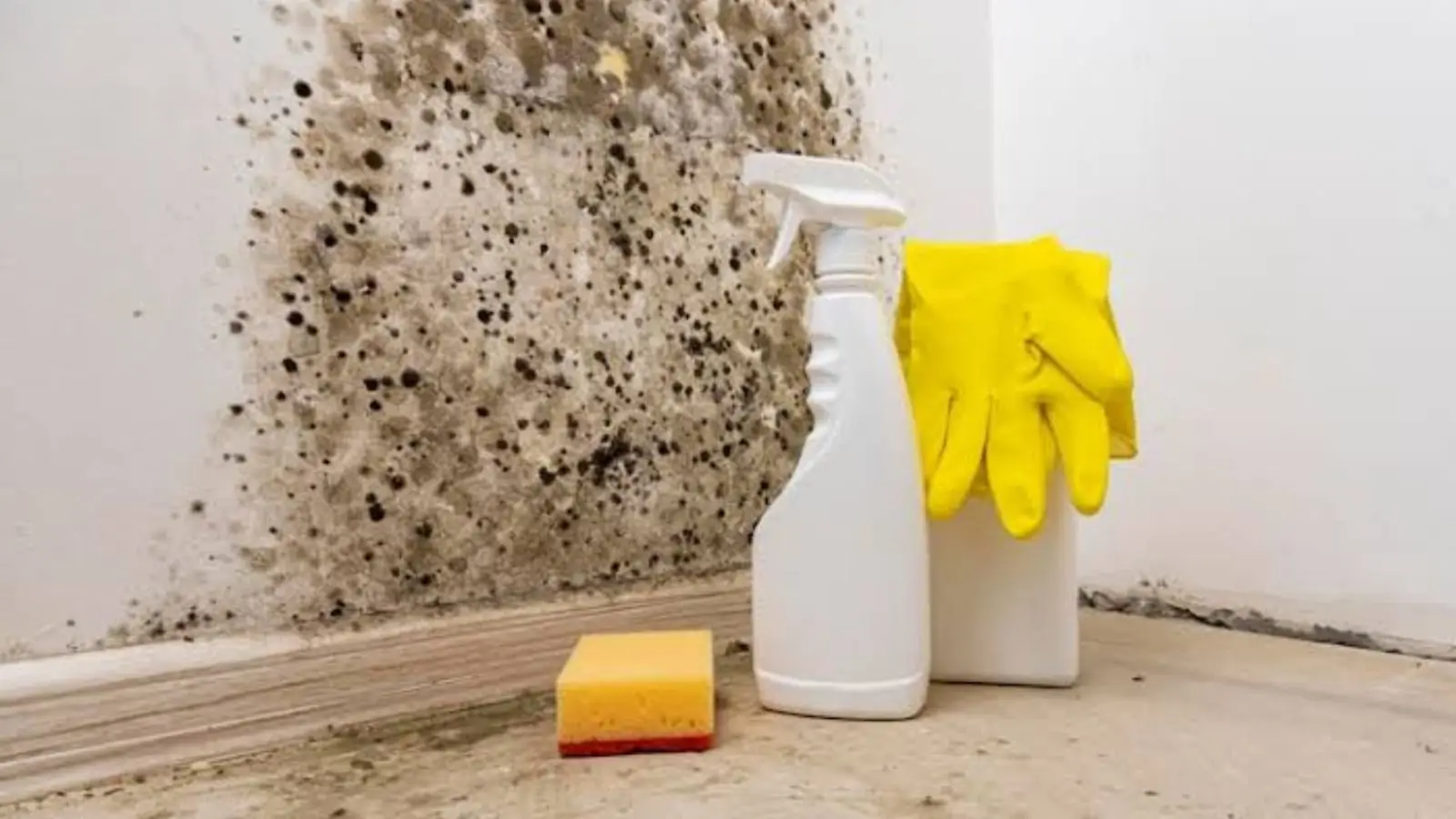
Removing black mold in a Manhattan Beach, CA home starts with finding and fixing the moisture, then judging the size of the affected area, then removing the growth and damaged porous material. Cleaning over a damp wall without fixing the leak only buys time.
People use black mold as a catch-all name for any dark growth. We cannot identify a species from a photo, and we do not diagnose anything. What can be done is a clear process that treats all visible mold the same way, which is covered below and on our mold remediation page.
What people mean by black mold
Dark green, gray or black growth on drywall, grout, window frames or the back of a closet gets called black mold in everyday talk. The color alone does not tell you what it is, and lab work is not needed to decide on removal.
When growth is plainly visible, EPA guidance treats lab sampling as unnecessary in most cases. The decision to remove rests on what you can see, how big it is and what is feeding it. Questions about health belong with a physician, not with a cleaning crew.
Step one is always the water
Federal guidance is blunt that mold follows moisture, so the water source comes first. A leak under a bathroom sink, a roof drip, a clogged condensation line or a wet closet wall must be repaired before anything else. Otherwise the same patch returns.
If the source was a sudden leak, quick drying matters. Getting wet areas and belongings dry inside a day or two is the federal target, and water mitigation is built for exactly that stage.
Not sure what you are looking at?
Call to describe the spot, the leak behind it and the room. An inspection can be scheduled by phone.
Small area or professional job
For a patch smaller than roughly 10 square feet, the EPA says many households can manage cleanup on their own. Bigger areas, or any job with serious water damage behind it, call for a crew working to the published S520 mold standard from ANSI/IICRC. Use the table to place your situation.
| Situation | Likely route |
|---|---|
| Under about 10 square feet on a hard surface such as tile or sealed trim | Careful household cleanup, after the moisture source is fixed |
| Growth on drywall, insulation or carpet pad | Porous material is usually removed, so a professional assessment is sensible |
| Over about 10 square feet, or growth in several rooms | Professional containment and removal to the S520 standard |
| Mold after a burst pipe, sewage or flooding | Water damage and mold work together, so start with drying and cleanup |
| Musty odor but no visible growth | Look for hidden moisture with meters and a thermal camera before cleaning anything |
Steps for a small hard-surface area
If your situation falls in the first row of the table, this order keeps the work contained and the mess small.
Fix the leak and dry the area
Repair the source. Run fans and a dehumidifier so the surface and the material behind it dry out.
Protect yourself and the room
Put on gloves, goggles and a snug mask rated for fine dust before touching anything. Close doors, cover vents and keep other people and pets out.
Dampen and wipe
Wipe the growth with a damp cloth and detergent solution so it does not turn to dust. Bag the cloths right away.
Scrub and dry again
Scrub hard surfaces, rinse, then dry completely. A surface that stays wet will grow mold again.
Inspect afterward
No visible growth and no moldy odor should remain. If either returns, stop and get the area assessed.
What professional removal involves
Larger jobs add controls that a household cannot easily match. The work follows the S520 approach to containment and removal.
Containment
Plastic barriers and negative air keep disturbed material inside the work area.
Removal of porous material
Drywall, insulation and carpet pad carrying growth get cut out and bagged. Paint does not fix them.
HEPA cleaning
Surfaces are vacuumed with HEPA filtration and wiped so fine residue is collected.
Drying and verification
Moisture meters confirm the framing is back to normal readings before anything is closed up.
What does not work
Painting over mold hides the stain and leaves the growth in place. Spraying a product on a porous surface and leaving it behind does not remove what the surface holds. The EPA notes that dead mold still has to be removed, so killing it is not the finish line.
Dry brushing or sweeping stirs growth into the air. And running a household dehumidifier in a room with an active leak treats the symptom. Cleanup after the repair is where Lawndale and Redondo Beach homeowners usually start.
Documenting the cleanup
Take photos before you touch anything, then again after cleaning and after drying. Write down the date, the size of the area and the moisture source you found. These notes help a contractor, an insurer or a future buyer understand what happened.
If a claim is open, the state insurance department suggests logging every call and letter and holding off on throwing out damaged items until the adjuster agrees. Receipts for protective steps matter too, so keep them together with the photos.
After the cleanup
Rebuild follows removal. New drywall, insulation and paint belong to water damage repair, and it is wise to wait until moisture readings are normal first.
Keep indoor humidity within the EPA's suggested 30 to 50 percent range, and check the repaired spot on a schedule that matches your habits. A bathroom corner or closet wall that stays dry is a good sign.
Manhattan Beach water-use note
A Public Works memo from the city puts typical use near 120 gallons per person each day, about 90 of them indoors, which is a reminder of how much plumbing runs through a home. If your household sees indoor use far above that pattern, a hidden leak is worth checking for, since a slow leak is a common cause of mold in closets and wall corners.
That memo also records 1,131 acre-feet of yearly groundwater pumping rights for the city. That tells you who supplies your water and who to ask about unusual water pressure or a suspected leak on the supply side.
Permits for any rebuild come from the city. Requirements vary by project, and the local building office should be asked before any wall is opened.
Questions about how to remove black mold in manhattan beach
Can I remove black mold with bleach?
Dead mold still has to come out, according to the EPA, so a chemical spray on material left in place does not finish the job. Remove the growth, clean the surface and dry it.
How do I know if it is more than 10 square feet?
Picture a square about three feet by three feet. If the visible patch is larger, or if there are several patches, treat it as a professional assessment.
Do I need a lab test before removal?
In most cases no, according to the EPA, because sampling is unnecessary when visible growth is present. The decision to remove rests on what you can see.
Is it safe to stay in the house during removal?
We cannot give medical guidance. Containment keeps work separate from living areas, and any health question should go to your physician.
Why did the mold grow in my closet?
Closet walls that face outside tend to stay stagnant and cool. A small leak or condensation can leave a wall damp for days, and that is enough for growth.